Is Rhinoplasty Painful

Is Rhinoplasty Painful

Rhinoplasty is a cosmetic surgical procedure involving reshaping and/or resizing of the nose. It’s one of the most popular facial plastic surgeries in the world, but many people are curious as to how painful the process may be. This article will explore the pain associated with rhinoplasty surgery and provide insight into what patients can expect during recovery.

The goal of rhinoplasty is to improve both the physical appearance and functionality of the nose. During this procedure, a surgeon will make incisions inside or outside of the nose in order to access cartilage and bone beneath it. The surgeon then repositions these structures as necessary in order to create a more desirable shape and size for the patient’s nose. The entire process can take several hours and requires skillful precision from an experienced medical professional.

Due to its complexity, many people have questions about how painful rhinoplasty can be. While everyone’s experience will vary depending on their individual circumstances, there are certain precautions that can be taken before, during, and after surgery to minimize any potential discomfort. In this article we’ll discuss what factors influence pain levels during this type of procedure, as well as methods that can reduce it significantly.

Definition

Rhinoplasty is a surgical procedure used to reshape the nose. It is commonly referred to as a ‘nose job’. The procedure can be performed for both cosmetic and medical reasons. It can also improve a person’s breathing ability due to structural issues in the nasal passage.

The procedure is conducted under general anaesthesia, which means that the patient will not feel any pain during the surgery. After being administered with anaesthesia, incisions are made inside the nostrils or on the columella (the area between the nostrils). The surgeon will then reshape and sculpt the nasal structures using precise techniques such as cartilage trimming and bone restructuring. The incision lines are then closed using stitches or skin adhesive tape.

Recovery from rhinoplasty can take up to several weeks depending on how extensive the surgery was and how well the patient takes care of themselves afterwards. Most patients experience some degree of swelling and bruising around their nose, along with minor bleeding and tenderness in the area, but this should subside over time.

Types Of Rhinoplasty

Rhinoplasty is a surgical procedure that can reshape the nose to improve its appearance. It can also be used to correct any structural abnormalities that may cause breathing difficulties. There are two main types of rhinoplasty: open and closed.

Open rhinoplasty involves making an incision across the columella, the thin strip of tissue separating the nostrils. This allows the surgeon greater access to the nasal structures for reshaping and sculpting. Closed rhinoplasty involves making incisions within the nostrils, allowing for less visible scarring but potentially reducing the amount of correction possible in some cases.

The type of rhinoplasty performed will depend upon a number of factors, including the patient’s desired outcome, their individual anatomy, and any functional issues they may have. Both open and closed techniques are generally safe when performed by an experienced surgeon. Pain levels vary from patient to patient but most people report mild discomfort during recovery that subsides with time.

Pre-Operative Preparation

Prior to the rhinoplasty procedure, the patient should be thoroughly prepared. This includes a physical examination to ensure that the patient is healthy enough for surgery. The doctor will also discuss any potential risks associated with the procedure and answer all of the patient’s questions. Moreover, patients should follow their doctor’s instructions on what to do before and after surgery, such as refraining from taking certain medications or avoiding alcohol consumption.

Patients should plan to take a few days off work after their surgery to allow for adequate recovery time. They should also stock up on food and other supplies beforehand in case they are unable to go out during recovery. Additionally, it is important for patients to arrange for transportation home after their procedure, as they will not be able to drive themselves due to anesthesia.

When preparing for rhinoplasty, the most important thing is that patients follow their doctor’s instructions closely in order to minimize pain and maximize safety during the procedure and recovery period. With proper preparation and care, a successful outcome can be achieved with minimal discomfort.

The Surgery Procedure

The rhinoplasty procedure typically takes one to three hours, depending on the complexity of the surgery. During the procedure, an incision is made across the columella to access the underlying structures of the nose. The skin and soft tissue are then separated from the bone and cartilage, which may be reshaped or augmented to achieve desired results. After reshaping is complete, the skin and soft tissues are draped back over the new structure of the nose and sutures are used to hold them in place.

Local anesthesia with sedation or general anesthesia can be used for rhinoplasty procedures. Patients will likely experience mild discomfort during their recovery period; however, pain is generally well-controlled with medication prescribed by their doctor. Swelling and bruising around the eyes can occur but usually resolves within several weeks.

Patients are typically able to return home after their surgery without needing a hospital stay. Follow-up care is necessary to monitor any potential complications or changes that might occur in order to ensure successful healing and optimal results.

Anesthesia Options

When it comes to rhinoplasty, the best anesthesia option for a patient is determined by their individual medical condition and the extent of their procedure. Patients can choose from general anesthesia, which renders them unconscious throughout the procedure, or local anesthesia combined with a sedative, allowing them to remain conscious but relaxed.

General anesthesia is administered via intravenous drugs and inhaled gases that help suppress pain and induce sleep. It’s used when multiple procedures are performed during one operation. Local anesthesia numbs only the area of surgery and is often administered with a sedative such as Valium or Versed, which helps patients relax during their procedure.

In order to find out which type of anesthesia is right for you, it’s important to discuss your options with your surgeon before your surgery date. Your doctor will be able to provide advice on the most suitable choice based on your individual circumstances.

Pain Management Strategies

Pain management strategies for rhinoplasty are an important consideration. During the procedure, anesthesia is used to ensure that patients experience minimal discomfort. After the procedure, painkillers and other medications may be prescribed to help manage any residual pain or discomfort.

The type of anesthesia used in a rhinoplasty can vary depending on the individual procedure, but general anesthesia and local anesthesia are both commonly used. General anesthesia is administered intravenously and induces a state of deep sleep so that no sensations or memories of the surgery will remain after the operation. Local anesthesia involves numbing only the area of skin surrounding the surgical site using injections.

Post-operative pain relief medication may include ibuprofen, acetaminophen, or stronger analgesics such as codeine or oxycodone. Depending on patient preferences, medications may be taken orally or applied topically. Patients should use caution when taking any medication and follow their doctor’s instructions regarding dosage and frequency of use. Additionally, patients should not combine medications without first consulting their physician; combining certain medications can lead to serious side effects or even death.

When properly managed with a combination of general and local anesthetics, as well as post-operative medications, most patients report minor to no pain following a rhinoplasty procedure.

Recovery Periods

Now that the pain management strategies have been discussed, it is important to understand what to expect during the recovery period after rhinoplasty. This can vary depending on the procedure and the individual. Generally, most patients experience some degree of swelling, bruising, and soreness in the first few days after surgery. After two weeks, these symptoms usually subside significantly, though some may take longer to heal.

Patients should plan to rest for at least one week following rhinoplasty and avoid strenuous activity or exercise. It is also recommended that they avoid bending over or lifting heavy objects for up to four weeks post-surgery. During this time, a patient’s doctor may provide medications such as antibiotics or anti-inflammatories to help reduce any discomfort. Additionally, cold compresses can be used to reduce swelling during recovery.

Patients should follow their doctor’s instructions closely in order to ensure proper healing and a successful outcome from their rhinoplasty procedure. The surgeon may need to adjust bandages regularly or even remove stitches after several days. They will likely also recommend avoiding direct sunlight and using sunscreen if sun exposure is necessary . Following these guidelines helps minimize the risk of complications and maximize satisfaction with the results of the surgery.

Potential Risks And Complications

Rhinoplasty is a surgical procedure, and as with any surgery, there are potential risks and complications. The most common risks associated with rhinoplasty include infection, excessive bleeding, persistent swelling, delayed healing, asymmetry of the nose and a change in skin sensation. There is also the possibility that the desired outcome may not be achieved or that further revision surgeries may be needed to achieve the desired results.

Permanent scarring can result from rhinoplasty if open techniques were used to perform the surgery. In addition, nerve damage can occur during rhinoplasty which may cause numbness and a loss of sensation in areas of the nose. Unfortunately these effects are usually permanent. It is also possible for an adverse reaction to occur from anesthesia or from medications prescribed after surgery such as antibiotics or pain relievers.

It’s important to remember that when considering rhinoplasty it’s important to discuss all potential risks and complications with your surgeon prior to undergoing the procedure. Being informed about all aspects of this surgery will ensure you have a successful and safe experience.

Long-Term Results

The potential risks and complications of rhinoplasty are serious, but the long-term results can be rewarding. The majority of patients benefit from improved breathing, facial balance, and overall aesthetic appearance. With a successful surgery and proper postoperative care, the results of rhinoplasty may last for many years.

Following the procedure, patients will typically experience some swelling, bruising and numbness in their nose and face. These symptoms should gradually improve over a period of several weeks or months. Swelling may persist up to 12 months after the surgery. However, in most cases it will not be noticeable to others once it has dissipated significantly.

The final result of rhinoplasty may take up to one year or more to appear as the tissues settle into their new position. Results generally look natural with no signs of surgery when viewed from a distance or close up. Patients should take comfort in knowing that any changes made to their nose are permanent and they can expect to enjoy these results for years to come.

Rhinoplasty is an effective surgical method that can produce excellent outcomes for those who meet the candidacy criteria and follow pre-operative and post-operative instructions carefully. With careful treatment planning, skilled execution by an experienced surgeon, and diligent aftercare, many people can enjoy long-term benefits from this procedure that extend far beyond its aesthetic effects.

Cost Considerations

The cost of a rhinoplasty procedure varies depending on the complexity of the surgery. The fee will cover anesthesia, pre- and postoperative care, and necessary supplies. It may also include touch-up procedures required after the initial surgery.

Patients should discuss payment plans with their surgeon prior to beginning treatment. Some surgeons offer financing options to help reduce cost. Additionally, it is important to note that most insurance companies do not cover cosmetic surgery such as rhinoplasty.

It is important for patients to understand all costs associated with a rhinoplasty before undergoing the procedure. Patients should be aware that if additional surgery is needed to correct any issues resulting from the initial rhinoplasty, they may incur additional costs. Consulting with an experienced surgeon can help ensure an informed decision when considering a rhinoplasty procedure and its associated costs.

Rhinoplasty is a surgery used to alter the shape of the nose. It can be done for medical or cosmetic reasons and comes with its own risks and benefits. Before making a decision, it’s important to understand all aspects of the procedure, including its pain levels.

On average, rhinoplasty is moderately painful. However, due to advances in anesthesia techniques and pain management medications, many patients are able to manage their discomfort during and after surgery. In addition, the patient will have access to a team of experienced medical professionals who can provide support throughout the process.

The results of rhinoplasty can be long-lasting and life-altering for some patients. If you’re considering having this procedure done, it’s important to weigh all factors carefully before making any decisions. Your doctor or surgeon can help answer any questions you may have about pain levels, recovery time, cost considerations and more in order to make the best decision for your specific situation.
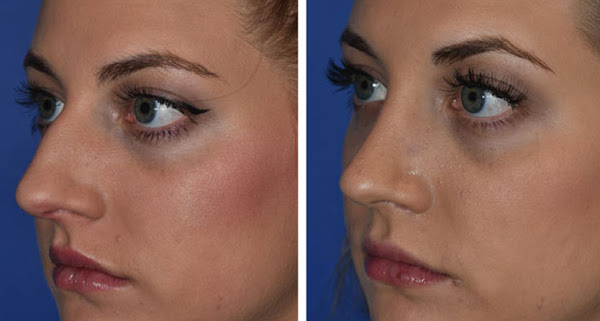
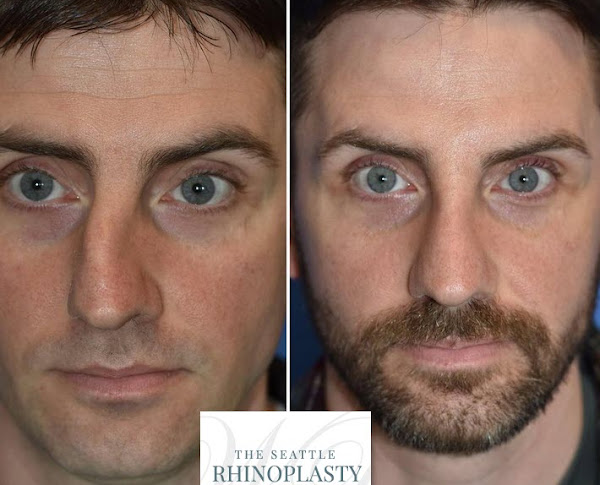
How Long Does Rhinoplasty Last

How Long Does Rhinoplasty Last

Rhinoplasty is a surgical procedure that reshapes the nose to improve its appearance and/or function. It is one of the most popular plastic surgery procedures, and has been performed since ancient times. This article presents an overview of how long rhinoplasty results last, as well as potential factors that may affect the longevity of its outcome.

The purpose of rhinoplasty is to provide patients with a nose that better suits their individual facial aesthetics or corrects any structural issues that interfere with breathing. To achieve this goal, a variety of techniques can be employed, including removing bone or cartilage, altering the shape of the nasal tip, narrowing the nostrils, and more. The type of surgery chosen will depend on the patient’s unique needs and preferences.

For those considering rhinoplasty, it is important to understand how long it can take for results to last. This article examines key factors that influence how long rhinoplasty lasts and provides insight into what patients can expect from their results over time.

Definition Of Rhinoplasty

Rhinoplasty, also known as a nose job, is a surgical procedure to change the appearance of the nose. The procedure involves reshaping the cartilage and bone of the nose to alter its size, shape, or structure. It may also be used to correct breathing difficulties caused by structural abnormalities in the nose.

The individuals who most commonly seek rhinoplasty are those unhappy with their current nasal appearance, often due to birth defects or signs of aging. Rhinoplasty can also help people whose noses have been damaged due to trauma or illness. This procedure can improve self-confidence and quality of life for many patients who choose it.

Rhinoplasty results are typically permanent, although changes can occur over time due to aging or environmental factors such as sun exposure. Therefore, patients should discuss expectations with their surgeon prior to surgery for best long-term results.

Benefits Of Rhinoplasty

Rhinoplasty, commonly referred to as a nose job, can provide many benefits to an individual. Depending on the desired outcome, rhinoplasty can be used to reshape the nose, make it smaller in size, or even correct structural deformities. The results of this procedure are typically long-lasting and can have a positive impact on both physical appearance and self-confidence.

The duration of a rhinoplasty’s effects will vary from person to person. Generally speaking, the results of rhinoplasty surgery are permanent; however, changes in the shape of the nose due to aging may occur over time. In addition, some people may require touch-up procedures if they experience additional changes or issues with their noses in the future.

For many individuals who undergo rhinoplasty surgery, the aesthetic improvement is immediate and dramatic. Not only does rhinoplasty help improve facial balance by reshaping and resizing the nose, but it also has psychological benefits including increased self-esteem and confidence. Rhinoplasty is an effective way to achieve facial harmony while also creating lasting results that can enhance one’s overall quality of life.

Overall, rhinoplasty is a safe procedure with long-term benefits for those looking to enhance their facial structure and boost their confidence. With proper care following surgery, patients can expect improved facial aesthetics for years to come.

Process Of Rhinoplasty

Rhinoplasty is a surgical procedure that reshapes the nose. It can be performed for both cosmetic and medical reasons. The process of rhinoplasty involves incisions being made to the soft tissue of the nose, as well as the underlying bone or cartilage structure. This allows the surgeon to reshape and reposition the nose in order to achieve the desired outcome.

There are two main types of rhinoplasty: closed and open. In a closed rhinoplasty, all of the incisions are made inside the nose, while in an open rhinoplasty, an incision is made on the underside of the columella (the small strip of skin between the nostrils). Depending on which technique is used, recovery time can vary from patient to patient.

The results of rhinoplasty can last for many years; however, it is important to note that no surgery is permanent and some patients may need additional surgeries in order to maintain their desired look or correct any issues that have arisen over time. It’s important for patients to discuss these potential risks with their doctor before undergoing any type of surgery.

Recovery Time

Recovery time after rhinoplasty varies from patient to patient. It generally takes between one and two weeks for the swelling and bruising to subside, but the full effects of the surgery may not be apparent until several months have passed. Patients usually experience mild pain and discomfort during this period, which can be managed with over-the-counter medications.

The length of recovery also depends on the type of rhinoplasty performed. For instance, open rhinoplasty typically requires a longer healing time than closed rhinoplasty. Open rhinoplasty involves making an incision between the nostrils, while closed rhinoplasty involves making incisions on the inside of the nose. Additionally, some revision surgeries may take longer to recover from due to their complexity.

It is important that patients follow their surgeon’s postoperative instructions closely in order to minimize complications and ensure a successful outcome. This includes rest, avoiding strenuous activities, keeping head elevation when sleeping or lying down, avoiding contact sports for at least six weeks after surgery, and attending any necessary follow-up appointments with their physician. Following these guidelines will help ensure optimal results from the procedure are achieved within a reasonable timeframe.

Potential Risks And Complications

Rhinoplasty is a surgical procedure that carries with it certain risks and potential complications. As with any surgery, infection, bleeding, and adverse reactions to anesthesia are all possible. Although rare, these risks can be serious and require additional medical attention.

Nasal asymmetry or an unnatural appearance of the nose may also occur following rhinoplasty surgery. Other potential complications include scarring, impaired breathing due to swelling in the nasal passages, difficulty closing the eyes due to tension in the eyelids from swelling in the nose, persistent numbness in the skin of the nose, and a change in skin sensation due to nerve damage.

The best way to reduce potential risks and complications is for patients to follow their surgeon’s instructions before and after surgery. It is important for patients to take all medications as prescribed by their physician and attend all follow-up appointments for evaluation. Patients should also keep their surgeon informed about any changes in their health status prior to surgery.

Aftercare Instructions

Aftercare instructions following rhinoplasty should be followed closely. Patients should keep their head elevated, using extra pillows at night, while sleeping. For the first few days after the surgery, patients must avoid activities that can raise their blood pressure to prevent bleeding or swelling. Additionally, patients should not blow their nose for two weeks and are encouraged to use nasal saline sprays in order to reduce nasal dryness and crusting.

Patients who have had an open rhinoplasty may experience some degree of numbness. This is generally temporary and resolves within six months post-operative. It is important for the patient to avoid rubbing or touching the area during healing as this could disrupt stitches and increase the risk of infection.

The results of rhinoplasty will last a lifetime if proper care is taken by the patient throughout recovery. The patient should be mindful of avoiding sun exposure and trauma to the nose and follow up with their doctor if they experience any complications during recovery or have concerns about ongoing care after surgery.

Factors Affecting Durability

Once the healing process is completed and the patient has recovered from rhinoplasty, the results of the surgery should last many years. However, depending on the individual, there are several factors that can affect how long a rhinoplasty lasts.

The quality of the materials used in the surgery plays a big role in how long a rhinoplasty will last. If inferior materials are used, they may not remain in place as well over time and may need to be replaced sooner than expected. Additionally, if a patient does not follow postoperative instructions properly or exposes themselves to unnecessary trauma afterwards, their rhinoplasty results may not last as long.

Age also affects how long a rhinoplasty will last. As people age their skin loses elasticity and thins which can cause some changes to their nose after surgery. In addition, due to natural aging processes such as cartilage deterioration or bone re-absorption, it is possible for some of the effects of a rhinoplasty to diminish over time.

It’s important to note that while there are several factors that can have an effect on how long rhinoplasty results last, with proper care and maintenance most patients can expect satisfactory results for many years after their procedure.

Results Variations

Generally, rhinoplasty results may be considered long lasting. The shape and size of the nose typically remain unchanged for many years after treatment. However, variations in results may occur due to a number of factors such as the patient’s age, skin type, lifestyle habits and changes in body weight.

The effects of aging can impact rhinoplasty results over time. As we age our skin loses its elasticity and collagen production decreases which can cause sagging and drooping of the nose tip. Additionally, weight fluctuations can affect how the nose looks after rhinoplasty as fat deposits around the nose can alter its appearance.

It is important to keep in mind that rhinoplasty results may not be permanent or last forever. Patients should follow their doctor’s advice to maintain their results for as long as possible by avoiding direct sun exposure and wearing sunscreen daily, eating healthy foods and maintaining a healthy weight range.

Cost Considerations

Rhinoplasty can be a costly procedure. The cost of a rhinoplasty procedure will depend on the type of surgery performed and the geographic location of the surgeon. In addition to the surgeon’s fee, there are other costs associated with a rhinoplasty such as anesthesia fees, operating room fees, and post-operative care.

Patients should discuss all associated costs with their surgeon prior to undergoing a rhinoplasty procedure. Some surgeons may offer financing options or payment plans that can help reduce overall costs. Insurance companies typically do not cover any portion of the cost of elective cosmetic procedures such as rhinoplasty. However, if a patient is undergoing rhinoplasty for medical reasons, their insurance provider may cover some or all of the cost.

The results of a rhinoplasty will last for years depending on how well patients take care of their new nose and how much it is exposed to trauma over time.

Consultation With A Surgeon

When considering Rhinoplasty, it is important to consult with a board-certified surgeon that specializes in facial plastic surgery. During the consultation, the surgeon will discuss the patient’s goals and expectations for the procedure. The surgeon will also evaluate the patient’s medical history to determine if they are an ideal candidate for Rhinoplasty.

The surgeon will then explain the risks and benefits of the procedure, as well as other possible treatment options. It is essential that patients understand all aspects of their condition before proceeding with any type of surgery.

The duration of results from Rhinoplasty can vary depending on individual factors such as lifestyle habits and genetics. However, in general most people can expect to see long-term results that last for many years after their surgery.

Rhinoplasty is a cosmetic procedure that can improve the appearance of one’s nose. It is important to understand all aspects of the procedure before undergoing it, including how long it will last. Generally, results may last up to 10 years or more, but this depends on individual factors such as lifestyle and genetics.

It is important to consult with a board-certified plastic surgeon who has experience in rhinoplasty procedures. During the consultation, they will be able to provide further details regarding recovery time, potential risks and complications, cost considerations, and what results can be realistically expected.

Overall, rhinoplasty can provide patients with improved facial balance and harmony that can last for many years. The durability of the results vary from person to person but with proper care and maintenance following the procedure, one can expect to enjoy its benefits for many years to come.

Does Insurance Cover Rhinoplasty

Does Insurance Cover Rhinoplasty

Rhinoplasty, commonly known as a “nose job”, is a popular procedure that many people seek to improve the appearance of their nose. But does insurance cover rhinoplasty? The answer isn’t always straightforward and varies depending on your particular insurance plan. As an insurance claims specialist, I’m here to provide you with some insight into this question.

First things first, you need to understand what type of procedure is being performed and if it’s considered medically necessary. Some insurance plans may cover rhinoplasty if it is done for medical reasons such as correcting a deviated septum or repairing nasal trauma from an accident. However, most plans do not cover cosmetic procedures like alterations in shape or size of the nose.

You should also consider your individual situation as some policies offer coverage for certain cases but not others. If you have any doubts about whether or not your plan covers rhinoplasty, contact your insurance provider directly to discuss your options and get answers to your questions. With this information in hand, you can make an educated decision about whether or not it makes sense for you to pursue this procedure with insurance coverage.

Definition Of Rhinoplasty

Rhinoplasty is a cosmetic surgery procedure used to enhance the appearance of the nose. It can also be used to correct any structural issues in the nose, such as difficulty breathing due to a deviated septum. The procedure involves reshaping bone and cartilage, along with removing excess tissue or grafting new material to create the desired results. It’s sometimes referred to as a “nose job.”

The cost of rhinoplasty varies depending on the complexity of the case. In some cases insurance may cover part or all of the costs associated with this procedure if it’s needed to improve function or treat an underlying medical issue. Patients should contact their insurance provider directly to determine coverage eligibility and benefits prior to scheduling surgery.

It’s important for patients considering rhinoplasty to understand that results are not always immediate and swelling may occur for several weeks after surgery. Additionally, recovery time varies from patient to patient, but typically lasts between one and two weeks.

Benefits Of The Procedure

Rhinoplasty is a beneficial procedure for many people looking to improve the look and shape of their nose. It can help those who are unhappy with their current nose for medical or aesthetic reasons, as well as those suffering from breathing difficulties due to a deviated septum. Fortunately, some insurance policies may cover some of the costs associated with rhinoplasty.

It is important to note that not all insurance plans will cover the entirety of the costs associated with rhinoplasty, and it is best to check with your insurance provider before making any decisions about undergoing the procedure. Some plans may require pre-authorization in order to be eligible for coverage, and you should review your plan’s terms and conditions thoroughly before submitting an authorization request. Additionally, you may be responsible for covering any applicable deductibles or co-payments associated with your policy.

In some cases, if a doctor determines that rhinoplasty is medically necessary, then it may be covered by your health insurance provider. However, it is important to consult with your doctor prior to scheduling any procedures in order to get an accurate assessment of what kind of coverage you may be eligible for.

Types Of Insurance Coverage

When it comes to rhinoplasty, insurance coverage will vary. Generally, most health insurance plans don’t cover cosmetic surgery. However, some may cover part of the cost if your doctor can demonstrate that the procedure is medically necessary to correct a deformity or disfigurement due to an accident or congenital defect. If you’re considering rhinoplasty for cosmetic reasons, check with your insurer to see if any coverage is available. It’s also important to know what type of coverage you have and what your out-of-pocket costs may be. Many insurers require pre-approval before they’ll pay for certain procedures, so it’s best to confirm this before moving forward. Additionally, be sure to ask about any additional fees or services that may not be covered by your plan. Knowing what is and isn’t covered beforehand can save you a lot of hassle down the line.

Understanding Your Policy

It’s important to understand the details of your policy when considering if rhinoplasty surgery is covered. Different plans can have different coverage and limits, so it’s best to review your specific policy for details. Usually, cosmetic procedures like rhinoplasty aren’t covered unless medically necessary. If you’re considering a rhinoplasty for medical reasons, it may be covered under your plan. Examples of medically-necessary conditions include congenital deformations or functional issues caused by an accident or injury. Your doctor will likely need to provide documentation proving that the procedure is medically necessary in order for it to be eligible for coverage.

You may also need to meet certain criteria for coverage, such as obtaining preauthorization from your insurance provider before the procedure. In some cases, you may also be required to pay a deductible or coinsurance before the procedure is approved by your insurance company. It’s important to check with your insurer beforehand and make sure you understand what exactly is required and any applicable costs associated with the surgery.

If you have questions about whether rhinoplasty surgery is covered under your policy, contact your insurance provider directly and they can help you clarify any information related to coverage and eligibility requirements.

Out-Of-Pocket Expenses

When it comes to insurance coverage for rhinoplasty, there are typically out-of-pocket expenses associated with the procedure. These can include pre-operative and post-operative costs and any applicable deductibles or coinsurance. Patients should contact their insurance provider directly to determine what expenses will be covered and which ones they may need to pay. It is important for patients to read through the details of their policy before undergoing rhinoplasty surgery, as there may be certain exclusions that could result in additional out-of-pocket expenses.

Patients should also keep in mind that some medical procedures can require additional services, such as anesthesiology or hospital stays, which will not be covered by insurance. Any fees associated with these services would need to be paid out of pocket at the time of the surgery. Additionally, if a patient chooses an elective procedure such as facial implants, these will not be covered by health insurance either.

It is important for patients to plan ahead so that they know exactly what their financial responsibility will be prior to proceeding with rhinoplasty surgery. Consulting with a qualified healthcare provider can help them understand their individual benefits and any potential costs they could incur during and after the procedure.

Pre-Approval Requirements

Moving on, pre-approval requirements for rhinoplasty vary from insurer to insurer. Generally though, insurance companies require a referral from your primary care physician in order to cover the cost of a rhinoplasty procedure. Additionally, it’s important to note that insurers also often require medical documentation that shows the need for the procedure before they will consider covering the costs associated with it. For example, if you are seeking a corrective rhinoplasty due to a deviated septum, the insurer may request medical records documenting this condition before they will consider covering the cost of your surgery.

Finally, insurance companies typically have a pre-set list of cosmetic procedures that are excluded from coverage. If rhinoplasty is not included in this list and other criteria such as referrals and medical necessity are met, then there is a good chance that your insurance provider may cover some or all of the costs associated with your procedure. It is important to review your policy and contact your insurer directly to determine what kind of coverage you can expect for a rhinoplasty procedure.

Hospital Stay Costs

Hospital stay costs associated with a rhinoplasty procedure are usually covered by insurance. Depending on the plan you have, you may be able to receive coverage for hospital costs, such as room and board, medication, and any necessary medical tests or procedures. It is important to check with your insurance provider in advance of the procedure to understand what services and costs will be covered.

Some plans may also provide coverage for post-operative care and recovery following the procedure. This could include ongoing treatments, such as physical therapy, as well as prescription medications needed in the weeks after surgery. In some cases, these post-operative costs may need to be submitted separately to your insurance provider for reimbursement.

It’s important to know what services are covered under your policy before deciding which type of rhinoplasty procedure is right for you. If you have any questions about hospital stay costs or other related expenses, it is best to speak directly with your insurance provider so that you can make an informed decision about your treatment options.

Cosmetic Vs Reconstructive Surgery

Rhinoplasty is a surgical procedure that can be performed for either cosmetic or reconstructive purposes. Cosmetic rhinoplasty is intended to improve the appearance of a person’s nose and it’s often referred to as ‘nose job’ or ‘nasal reshaping.’ On the other hand, reconstructive rhinoplasty is intended to correct a structural problem with the nose that can interfere with breathing or cause pain. Most insurance companies will cover reconstructive rhinoplasty but not necessarily cosmetic.

The difference between cosmetic and reconstructive surgery lies in the purpose of the procedure. Cosmetic surgery is done for aesthetic reasons, while reconstructive surgery is done to repair damage caused by injury, illness, or birth defect. In cases where there are both cosmetic and functional concerns, insurance may cover part of the cost of the procedure if it can be proven medically necessary.

In some cases, it may be difficult to determine whether a procedure should be considered cosmetic or reconstructive. In these instances, it’s best to consult an experienced healthcare provider who can provide an accurate assessment and recommend the best course of action.

Financing Options

Moving on from cosmetic and reconstructive surgery, let’s discuss financing options for rhinoplasty. There are a few ways to pay for this procedure, depending on your specific insurance plan. Generally speaking, insurance plans will not cover the cost of a purely cosmetic rhinoplasty. However, in some cases, it can be covered if it is deemed medically necessary and has been prescribed by a doctor or specialist. If a patient has breathing problems caused by an abnormality of the nose structure, insurance plans may cover all or part of the cost.

Patients should check with their insurance provider beforehand to understand what their coverage includes and does not include. It’s also important to note that even if an insurance company does not cover the entire procedure, there may still be partial coverage available for certain expenses such as anesthesia fees and hospital charges. Additionally, some providers offer payment plans that allow patients to spread out the cost over time instead of paying it all at once.

When considering any kind of medical procedure, it is essential to look into the financing options available before making any decisions. Patients should research their health plan in detail and speak with their insurer to determine exactly what type of coverage they have before beginning any treatments or procedures.

Researching Facilities And Surgeons

When researching the right facility and surgeon for a rhinoplasty procedure, there are several factors to consider. Insurance companies will want to ensure that the chosen facility is adequately equipped to handle such a complex surgery. This means researching any potential facilities for their health and safety record, as well as what kind of equipment they have available. The surgeon’s credentials should also be taken into account, as these will indicate whether or not they are experienced in performing rhinoplasty procedures. It is important to research the qualifications of any potential surgeons before making a decision on who to go with for your procedure.

Once you have narrowed down your selection of facilities and surgeons, it’s time to contact your insurance company. Depending on the coverage your policy provides, you may need to provide additional information such as pre-authorizations or documentation from the doctor’s office indicating that they can perform the procedure safely and effectively. Your insurance company will also need proof of payment from the facility or surgeon in order to process any claims related to the procedure.

By following these steps carefully, you should be able to make an informed decision about which facility and surgeon is right for you when considering rhinoplasty surgery. Taking into account all of the above information will help make sure that you get the best possible care while also ensuring that your insurance company covers all associated costs.

Conclusion

In conclusion, it is important to understand the details of your insurance policy and what type of rhinoplasty coverage it offers. Many policies will cover reconstructive surgery for medical purposes, but may not cover cosmetic procedures. If you are considering a rhinoplasty procedure, be sure to look over your policy carefully and determine if any out-of-pocket expenses are necessary. Additionally, research potential surgeons and facilities to ensure you receive the best care available. With proper planning, you can make an informed decision about your rhinoplasty procedure and ensure that it is covered by your insurance policy. I hope this article has been helpful in providing information regarding insurance coverage for rhinoplasty procedures.

Does Health Insurance Cover Rhinoplasty?

Does Health Insurance Cover Rhinoplasty?

Have you ever been unhappy with the way your nose looks? Whether it’s due to genetics or an unfortunate accident, there are ways to make changes to your nose without breaking the bank. One of these options is rhinoplasty, a cosmetic procedure that alters the shape and size of the nose. But does health insurance cover this type of surgery?

This article will explore whether or not health insurance covers rhinoplasty and how you can go about finding out if your insurance plan does. We’ll discuss the different types of rhinoplasty procedures, eligibility requirements for coverage, and other possible financing options if health insurance isn’t an option.

Are you ready to find out what you need to know about whether health insurance covers rhinoplasty? Read on for all the details!

Nose Surgery

Rhinoplasty is a surgery used to improve the shape and appearance of the nose. It can be cosmetic or reconstructive in nature, and it typically involves making incisions in the skin, reshaping cartilage and other structures, and then closing the incisions with sutures. The goal of this procedure is to enhance the facial features by creating a more balanced profile.

Whether health insurance will cover rhinoplasty depends on several factors. Generally, if a patient needs rhinoplasty for medical reasons such as difficulty breathing or disfigurement from an injury, their insurance may cover it. However, most companies do not cover purely cosmetic procedures like rhinoplasty.

It’s important to check with your insurance provider to find out what is covered under your plan. In some cases, you may be able to appeal for coverage if you can show that the procedure is medically necessary rather than purely aesthetic. In any case, make sure you understand any out-of-pocket costs associated with the procedure before moving forward with it.

Overview Of Procedure

With rhinoplasty, a surgeon can make adjustments to the structure of the nose that can have major effects on an individual’s overall appearance. The procedure begins with the surgeon making incisions in the skin and reshaping cartilage and other structures. Then, they will use sutures to close up the incisions.

It’s important to note that this type of surgery is not without its risks. Complications may include infection, bleeding, asymmetry, and skin discoloration. It’s also important to understand that it may take up to a year for full results to be seen as swelling and bruising can take time to subside.

Overall, rhinoplasty is a complex procedure that should be considered carefully before undergoing it. Be sure to talk with your doctor about any questions or concerns you may have regarding this surgery, as well as any health insurance coverage you may have for it.

Types Of Insurance Coverage

Health insurance coverage for rhinoplasty can vary depending on the type of plan you have and the reason for your surgery. Generally, most health plans cover rhinoplasty if it is medically necessary to treat a functional problem such as difficulty breathing. However, if the surgery is being done solely for cosmetic reasons, it may not be covered at all.

It’s important to contact your health insurance provider directly in order to get an accurate understanding of what type of coverage you have. Many plans require that you provide a letter from your doctor stating why the procedure is necessary, so be sure to ask about any requirements they may have before scheduling your appointment.

Additionally, if you are considering getting rhinoplasty done for cosmetic reasons and don’t receive coverage from your insurance provider, there are other options available such as financing or payment plans. Speak with your surgeon’s office about these alternatives in order to ensure that you are able to receive the treatment you need.

Out-Of-Pocket Costs For Surgery

When considering rhinoplasty, it’s important to take into account the out-of-pocket costs that may be involved. While insurance may cover some or all of the cost depending on your plan and the reason for surgery, there are still other fees that you should be aware of. For example, additional lab work or imaging tests may be required prior to surgery and these can add up quickly.

There are also fees associated with the actual procedure itself such as anesthesia, operating room costs, and post-operative care. Additionally, many surgeons charge a separate fee for their services which can range from several hundred to several thousand dollars depending on their experience and qualifications. It’s important to ask about all of these potential expenses before proceeding with surgery so that you know what financial obligations you may have.

Finally, if you don’t have insurance coverage for rhinoplasty or if the out-of-pocket costs are more than you can afford, there are financing options available through some clinics or third-party lenders that can help make it more affordable. Speak with your surgeon’s office about any payment plans they may offer in order to determine the best way to cover the cost of your rhinoplasty procedure.

Eligibility Requirements For Health Insurance

Although it’s important to understand the potential out-of-pocket expenses associated with rhinoplasty, many patients may be able to receive partial or full coverage for their procedure through health insurance. Eligibility requirements for coverage will vary depending on your insurance provider and plan, so it’s important to speak with your insurer first before making any decisions about surgery.

In general, however, most insurers will require that the procedure is deemed medically necessary in order to be eligible for coverage. This means that the procedure must be performed by a board-certified plastic surgeon in order to diagnose or treat a physical condition that is causing functional impairment or discomfort. Additionally, some plans may limit coverage for cosmetic procedures such as rhinoplasty unless there is an underlying medical reason for it. Be sure to check with your provider regarding their specific eligibility requirements in order to determine if you qualify for coverage.

It’s also important to note that even if you have health insurance, the plan may still not cover all of the costs associated with rhinoplasty. You may be required to pay a certain amount out of pocket in addition to any coinsurance or deductible amounts specified in your policy. Additionally, you should check whether pre-authorization is required prior to scheduling surgery as this can also impact how much of the cost you’ll be responsible for paying.

Different Types Of Plastic Surgery Procedures

In addition to rhinoplasty, there are many other types of plastic surgery procedures available. These range from reconstructive surgeries such as breast reconstruction after a mastectomy to cosmetic procedures like facelifts and Botox injections. Depending on your individual needs and goals, you may be able to find the right type of procedure for you.

For those looking to improve their appearance or correct minor imperfections, there are a variety of popular cosmetic treatments available. This includes options like chemical peels, dermal fillers, laser treatments, and CoolSculpting that can help reduce wrinkles and enhance facial features without surgery. For more drastic changes, there are also surgical options such as liposuction or tummy tucks that can help reshape the body for a more aesthetically pleasing look.

No matter what type of plastic surgery you’re considering, it’s important to take the time to research potential providers and make sure you choose the best doctor for your needs. Be sure to ask plenty of questions about safety protocols and qualifications so that you can feel confident in your decision before proceeding with any sort of treatment plan. It’s also wise to set realistic expectations ahead of time since results vary from patient to patient. With careful consideration and an experienced surgeon on your side, you can get the look you desire safely and effectively.

Pros And Cons Of Rhinoplasty

When it comes to plastic surgery, rhinoplasty is a popular option for those looking to alter the shape of the nose. While this type of procedure can provide impressive results, it’s important to understand all of the pros and cons before making a decision. By weighing the potential risks and rewards carefully, you can determine whether rhinoplasty is right for you.

One advantage of rhinoplasty is that it can help improve your self-confidence. Many people feel self-conscious about their noses due to size or shape issues, so having a procedure that corrects these problems can be life changing. Additionally, the improved appearance may lead to an increase in overall self-esteem which can have positive impacts on many other areas of life.

On the downside, there are some risks associated with rhinoplasty that should be taken into consideration. The procedure typically requires general anesthesia which carries its own dangers and complications. Additionally, depending on your individual goals and circumstances, you may require additional procedures down the line in order to achieve desired results. It’s also important to note that insurance generally does not cover elective cosmetic surgeries like rhinoplasty so costs should be taken into account as well when deciding if this type of surgery is right for you.

Overall, while rhinoplasty can provide impressive results for those who are considering it, it’s important to take all factors into account before proceeding with any sort of treatment plan. Be sure to do your research and consult with an experienced surgeon who will make sure your safety is their top priority before making a final decision.

Potential Complications From Surgery

Having an understanding of the possible complications that can arise from rhinoplasty is also important. While it’s a relatively common procedure with many successful outcomes, there are still risks involved. General anesthesia can lead to reactions such as nausea, dizziness, and headaches, while surgeries involving cartilage or bone may cause scarring or bleeding. In some cases, patients may experience difficulty breathing due to swelling in the nasal passages and some people have reported changes in their sense of smell after the surgery. It’s also possible for the nose to become asymmetrical or for there to be issues with healing that require additional procedures down the road.

It’s important to note that these potential complications can vary widely depending on individual factors such as age, medical history, and lifestyle choices. That’s why it’s essential to have a thorough discussion with your surgeon about your expectations and any concerns you may have before committing to any type of treatment plan. Additionally, make sure you understand how long recovery will take and what kind of follow up care is necessary afterwards in order to ensure the best possible outcome.

Ultimately, while rhinoplasty can provide tremendous benefits for those who choose it, it’s important to remember that there are risks involved too. Make sure all your questions are answered and that you’re fully informed about all potential complications before making any decisions about proceeding with surgery.

Alternative Treatments To Consider

It’s important to note that rhinoplasty is not the only option for people who wish to improve their facial appearance. There are a variety of non-surgical treatments available that can be used to address cosmetic concerns, such as dermal fillers and laser treatments. These alternatives can provide similar results to surgery but without the same level of risk or recovery time associated with it.

In addition, some people may benefit from lifestyle modifications or medical therapies for their condition. For example, if you suffer from allergies, taking medications or using an air purifier in your home can help reduce inflammation and make breathing easier. Or, if you have a deviated septum, making changes to your diet and exercise routine may be able to help reduce swelling and improve overall health.

Ultimately, it’s important to thoroughly explore all options before settling on any treatment plan. Consider discussing the pros and cons of each approach with your doctor so that you can make an informed decision about what’s best for you. It’s also essential to remember that even with alternative treatments, there could still be risks involved – so make sure you understand the potential consequences before proceeding.

Long-Term Benefits Of Rhinoplasty

It’s worth considering the long-term benefits of rhinoplasty before deciding to pursue it. While this type of surgery may initially seem intimidating, it can provide significant and lasting improvements to both physical appearance and quality of life.

In terms of physical benefits, rhinoplasty can help improve facial symmetry and balance, giving a more aesthetically pleasing look overall. It can also be used to reshape the nose, making it more proportionate with other features such as the chin or eyes. Additionally, some people experience improved breathing after their procedure, allowing them to breathe more comfortably throughout the day.

Finally, there are psychological benefits that come with having a nose job. People who undergo rhinoplasty often report feeling more confident in their appearance, which can positively impact self-esteem and provide a boost in overall mental wellbeing. The effects of this can last for years after the procedure is finished – so if you’re looking for an effective way to enhance your facial features and feel better about yourself in the long run, rhinoplasty could be an ideal option for you.

Frequently Asked Questions

Is General Anesthesia Used During Rhinoplasty?

Rhinoplasty is a common type of surgery that can be used to reshape the nose. During this procedure, general anesthesia is often used in order to make the patient comfortable during the operation and reduce pain. This article will discuss how, why, and when general anesthesia is used during the rhinoplasty process.

First, it’s important to understand exactly what general anesthesia is and why it is commonly utilized during rhinoplasty procedures. General anesthesia involves administering a combination of drugs that causes deep relaxation and sedation. This allows the patient to remain unaware of their surroundings throughout the entire surgery. It also helps prevent any pain or discomfort from occurring during the operation.

In order for general anesthesia to be successful, several factors must be taken into consideration by the surgeon performing the rhinoplasty procedure. These include age, weight, overall health condition and any other medications being taken by the patient prior to surgery. The patient’s medical history should also be taken into account as certain conditions may require additional caution while using general anesthesia. Additionally, specific tests may need to be done prior to surgery in order to ensure that all necessary precautions are taken for safe and successful use of general anesthesia during rhinoplasty.

General anesthesia is essential for many types of surgical procedures including rhinoplasty as it ensures that patients remain safe and comfortable throughout their operations. By considering a patient’s medical history and taking all necessary precautions before administering anesthesia, surgeons can ensure a successful outcome with minimal risk involved.

What Kind Of Aftercare Is Needed After Rhinoplasty?

Rhinoplasty, or nose reshaping surgery, is a common and effective procedure for improving the appearance of the nose. Aftercare following any surgical procedure is an important part of the healing and recovery process. As such, it’s important to understand what kind of aftercare is needed after rhinoplasty.

Immediately following rhinoplasty, your doctor may place a splint on your nose to support its shape and maintain the results of your surgery. It’s important to keep this splint in place for as long as prescribed by your doctor. In addition, you’ll likely be given instructions about how to care for your incisions and reduce swelling. This might include cold compresses or over-the-counter pain medications.

Your doctor may also prescribe antibiotics and instruct you on how to properly take them. Additionally, they may suggest that you limit certain activities during the first few days to allow the healing process to progress without disruption from physical exertion or other activities that could cause stress on the nose area. In some cases, people will experience discomfort or pain post-surgery, however it should subside with time and proper care.

It’s important that you follow all instructions provided by your doctor in order to ensure a successful recovery from rhinoplasty surgery and optimal results. Be sure to ask any questions you have so that you can fully understand what kind of aftercare is necessary following rhinoplasty.

What Is The Recovery Time For Rhinoplasty?

When considering rhinoplasty, it’s important to understand the recovery time. This procedure requires a significant level of healing and care in order for optimal results to be achieved. Generally speaking, recovery from rhinoplasty can take several weeks or even longer.

Immediately after the surgery, there will be tenderness and swelling in the nose area which may last for up to two weeks. During this time, it’s essential to follow all post-operative instructions provided by your doctor. This includes taking medications as prescribed, avoiding strenuous activities, and refraining from blowing your nose. You should also avoid sun exposure and wear a protective mask when outside.

Your nose will continue to heal over time with some minor swelling persisting for several months after the surgery. It is important to note that each patient’s recovery time varies depending on their individual characteristics such as age, skin type, and anatomy of the nose itself. For example, older patients may take longer than younger ones in terms of healing time due to slower cell regeneration processes associated with ageing skin cells. Additionally, those with thicker nasal skin tend to experience more swelling than those with thinner nasal skin types do.

It is best practice to follow up with your doctor periodically during the healing process in order to ensure that everything is going according to plan. Your doctor will provide you with personalized advice on how long it will take for you specifically to make a full recovery from rhinoplasty so that you can achieve the desired outcome from your surgery.

Is There A Risk Of Infection After Rhinoplasty?

Rhinoplasty, or nose surgery, is a common cosmetic procedure that can improve the shape and size of the nose. As with any medical procedure, there is a risk of infection after rhinoplasty. While infections are rare, it is important to understand the potential risks and know what symptoms to look out for.

The primary cause of infection after rhinoplasty is bacteria entering through either an open wound or incision. This can occur if the patient fails to follow post-operative instructions such as keeping the nose clean and dry. In addition, weakened immune systems due to underlying health conditions or certain medications can increase risk of infection.

Patients should be aware of signs of infection such as redness, swelling, and persistent pain at the site of surgery. If any symptoms arise, contact a doctor immediately so that appropriate treatment may be administered before the infection worsens. Fortunately, most infections after rhinoplasty can be treated with antibiotics in order to avoid complications such as scarring or further damage to the nasal structure.

It is therefore essential for patients to adhere to post-operative instructions given by their surgeon and watch for signs of infection afterwards in order to reduce their risk of developing an infection following rhinoplasty.

What Type Of Outcomes Can I Expect From Rhinoplasty?

When considering rhinoplasty, many patients are curious about what type of outcome they can expect. A rhinoplasty procedure is an intricate and delicate surgical procedure, as it involves reshaping the nose to meet a patient’s aesthetic goals and desires. During the consultation process, it is important for a patient to discuss their expectations with their surgeon, so that both parties are on the same page when it comes to the desired outcome.

Generally speaking, rhinoplasty procedures are highly successful in achieving desired results. Depending on whether the patient is undergoing a cosmetic or reconstructive surgery, outcomes may vary. In some cases, minor scarring may occur due to incisions being made during surgery; however this will often fade over time and become barely visible. It is important for patients to take care of their noses after surgery by avoiding contact sports or activities that could cause further damage or disruption to the area that was operated on.

Patients should also be aware of possible complications that may arise during recovery such as infection, swelling and bruising. By adhering to your surgeon’s post-operative instructions carefully and consistently you can help ensure a smooth recovery with minimal risks. Ultimately, with proper care and attention following your rhinoplasty surgery you can look forward to enjoying the cosmetic enhancements you have been dreaming of!

Rhinoplasty is a major procedure that requires a great deal of preparation and care. It’s important to understand the risks involved, as well as the kind of aftercare and recovery time needed before deciding to proceed with this surgery. It’s also important to note that health insurance may or may not cover all or part of the cost of rhinoplasty depending on your particular plan. Ultimately, it’s best to consult with a qualified plastic surgeon to discuss any questions or concerns you may have about this type of surgery and its associated costs.

Before undergoing rhinoplasty, it is essential that I do my own research and talk with my doctor about what kind of results I can expect from this procedure. I should also ask my doctor whether general anesthesia will be used during the surgery and if there is any risk of infection afterwards. Knowing what kind of outcome I can anticipate, along with any associated risks and costs, will help me make an informed decision about whether to move forward with this procedure.

Ultimately, I should feel confident in whatever decision I make regarding rhinoplasty. With proper preparation and care, this procedure can provide me with the desired results while minimizing risks associated with it. The best way to ensure a successful outcome is by consulting with a qualified plastic surgeon who can provide me with more information on the potential benefits and costs associated with this procedure.

Candidates For Rhinoplasty Surgery

Candidates For Rhinoplasty Surgery

Cosmetic surgery is becoming more and more popular as people seek to improve their appearance. One of the most sought-after procedures is rhinoplasty, or nose reshaping surgery. Rhinoplasty can be used to correct a person’s facial features, making them look better and feel more confident about their image. In this article, we will discuss the criteria for being a good candidate for rhinoplasty and what potential patients need to know before considering the procedure.

Rhinoplasty can have a dramatic effect on someone’s facial features, which is why it is important to determine whether or not you are an ideal candidate before undergoing the surgery. Being able to assess your anatomy and discussing your expectations with your surgeon are essential when considering rhinoplasty. Good candidates should also have realistic expectations for their results and understand that there may be risks associated with the procedure.

In addition to being in good physical health and having realistic expectations, potential rhinoplasty patients should also consider the financial aspect of the surgery. The cost of rhinoplasty varies depending on factors such as location, type of procedure performed, and other medical expenses related to the surgery. It is important that potential patients fully understand all of these costs before committing to the procedure.

By understanding what makes a good candidate for rhinoplasty and knowing how much it typically costs, you can make an informed decision about whether or not this type of cosmetic surgery is right for you. In this article, we will discuss all of these considerations in detail so that you can make an informed choice about pursuing rhinoplasty surgery.

Definition

Rhinoplasty, commonly known as a “nose job,” is a surgical procedure that alters the shape and size of the nose. It can be used to correct structural abnormalities due to birth defects, trauma, or other medical conditions. Rhinoplasty can also be used for cosmetic purposes to create balance with the other facial features. Candidates for rhinoplasty surgery include those who are unhappy with their current nose shape and size, have difficulty breathing through their nose due to structural abnormalities, or have experienced significant trauma or injury to the nose.

The best candidates for rhinoplasty are those in good overall health and with realistic expectations about what the surgery will achieve. Potential candidates must be at least 16 years old so that facial growth is complete before undergoing surgery. If you’re considering rhinoplasty surgery, it’s important that you consult a qualified plastic surgeon who specializes in this procedure. The surgeon can evaluate your individual situation and discuss the potential risks and benefits of having rhinoplasty surgery.

It’s essential that you take all safety measures into consideration before undergoing any type of surgical procedure. Be sure to ask your doctor questions about any aspect of your treatment plan that you don’t understand. Choosing a qualified surgeon and following all pre-operative instructions will help ensure successful results from your rhinoplasty procedure. With careful planning and preparation, you can enjoy a more attractive profile with improved breathing function after undergoing rhinoplasty surgery.

Reasons For Surgery

Given the variety of reasons why someone might choose to undergo rhinoplasty surgery, it’s important to consider why you are considering this procedure. The most common reasons for undergoing rhinoplasty include improving the appearance of the nose, correcting structural abnormalities due to birth defects or trauma, and improving breathing function through the nose. Other reasons could be to correct asymmetries in the shape or size of the nose, adjust a deviated septum, reduce a hump on the bridge of the nose, or change the angle between the nose and upper lip.

If you’re considering rhinoplasty for cosmetic purposes, it’s important that you have realistic expectations about what can be achieved with this procedure. Your doctor will work with you to discuss what results can realistically be achieved based on your individual situation. It’s also important that you feel comfortable discussing your goals and expectations with your plastic surgeon before deciding to move forward with treatment.

It is also essential that anyone considering rhinoplasty understand all possible risks associated with this type of surgery. These risks include bleeding, infection, poor healing of incisions, and asymmetry among other potential complications. Some patients may also experience scarring or numbness around the incision sites. Your surgeon should discuss these risks while answering any questions or concerns you may have prior to undergoing surgery. By understanding these risks and working together with your doctor towards successful results, you can enjoy a more attractive profile after having rhinoplasty surgery.

Benefits Of Surgery

Rhinoplasty surgery can provide a number of benefits for those who undergo it. One of the most obvious benefits is improved self-confidence and satisfaction with your appearance. For those who have had to live with a nose that they didn’t like, rhinoplasty can be life changing. It can help you feel more comfortable in social situations and even make you feel happier overall.

In addition to cosmetic changes, rhinoplasty may also improve breathing function through the nose. This can be especially important for those who have experienced difficulty breathing due to structural abnormalities or trauma. After rhinoplasty, many patients report improved airflow and less snoring at night, as well as fewer sinus infections or allergies due to improved air flow through the nasal passage.

Finally, rhinoplasty surgery also has health benefits beyond aesthetics and breathing improvements. The reshaping of the nose during rhinoplasty can help reduce strain on other parts of the face, such as the eyes and forehead, which can lead to relief from headaches or facial pain caused by tension in these areas. Additionally, proper alignment of the nasal bones may also help prevent fractures or other injuries caused by trauma to the nose in the future. Rhinoplasty is a safe procedure that comes with a host of potential benefits when done properly by an experienced surgeon.

Types Of Rhinoplasty Procedures

Rhinoplasty is a highly customizable procedure that can be tailored to the individual’s needs. There are two main types of rhinoplasty: open and closed. Open rhinoplasty involves making an incision on the outside of the nose in order to gain access to the nasal structures, while closed rhinoplasty only requires incisions made on the inside of the nose. Both techniques can achieve similar results, but some surgeons may prefer one type over another depending on the patient’s individual situation.

In addition to these two techniques, there are also various subtypes of rhinoplasty that can be used to address specific issues or concerns. These include augmentation rhinoplasty (also known as a “nose job”), which increases the size of certain features; reduction rhinoplasty, which reduces excessive size; septorhinoplasty, which focuses on correcting structural deformities; and revision rhinoplasty, which is used for touchups or corrections after a previous procedure. Depending on your goals for surgery and your unique facial structure, your surgeon will help you determine which type of procedure is right for you.

Candidates for rhinoplasty must meet certain criteria in order to ensure they are good candidates for surgery. Generally speaking, candidates should be in good health without any major medical conditions that could put them at risk during surgery or recovery. In addition, individuals should have realistic expectations about what can be achieved with their surgery and understand that there may be some limitations due to their unique facial structure or anatomy. A qualified surgeon will evaluate each individual case to determine if he or she is a good candidate for this type of surgical procedure.

Who Is A Good Candidate?

In general, anyone in good physical health who has realistic expectations and understands the potential limitations of rhinoplasty surgery is a good candidate for this type of procedure. This includes individuals who are unhappy with the shape or size of their nose, have trouble breathing through their nose due to structural deformities, or want to correct a previous rhinoplasty procedure. However, there may be special considerations that need to be taken into account depending on the individual’s unique facial features and anatomy.

Before deciding if rhinoplasty is right for you, it’s important to consult with an experienced surgeon who can evaluate your case and help you understand your options. During the consultation process, your surgeon will discuss your goals for surgery and determine which technique will best address your concerns. Your surgeon may also suggest alternative treatments such as non-surgical injectables or other minimally invasive procedures if they are deemed more appropriate for your needs.

It’s important to remember that everyone is different and any final decisions about whether or not to proceed with surgery should only be made after careful consideration of all available options. Choosing a qualified and experienced plastic surgeon who has expertise in performing rhinoplasty procedures can help ensure you get the results you desire while minimizing risks associated with the procedure.

Preexisting Conditions

Before undergoing rhinoplasty surgery, it’s important to ensure that any preexisting conditions are addressed. For example, if there is a history of allergies or nasal congestion, this should be discussed with the surgeon prior to the procedure. Additionally, smokers should stop smoking at least three weeks before the operation in order to avoid complications.

Your surgeon will also want to know if you have any underlying medical conditions such as asthma or diabetes, which can increase your risk of developing certain complications during and after the procedure. It’s also important to disclose any current medications or supplements you are taking so your doctor can provide appropriate advice and instructions on how to proceed safely.

Finally, it is paramount that you are honest and open about your expectations for the outcome of the surgery with your surgeon. The goal of rhinoplasty is not necessarily perfection but rather a more desirable nose shape that best complements your facial features and enhances your overall appearance. Your surgeon can help you understand what results are achievable based on your unique anatomy and goals for the surgery.

Cost Of Surgery

With any medical procedure, cost is an important factor to consider before moving forward. Fortunately, rhinoplasty is a relatively affordable surgery that can make a big difference in the way you look and feel. The total cost of your procedure will depend on factors such as the complexity of the operation, the type of anesthesia used, and where it’s performed.

Many plastic surgeons offer financing plans or payment options that can help make the surgery more accessible for those who may not have enough money to cover it all at once. Additionally, many insurance companies cover some or all of the costs if there are medical indications for the procedure, such as a deviated septum or other structural abnormality. It’s important to check with your insurer beforehand to see what is covered and what out-of-pocket expenses you might be responsible for.

Before deciding whether rhinoplasty is right for you, make sure you weigh all of your options carefully and consider any potential risks involved with having surgery. Talk with your plastic surgeon about your expectations so they can provide an estimate of how much it could cost and help you decide if this is a good option for achieving your desired results.

Preparation For Surgery

Once you have decided to move forward with rhinoplasty surgery, it’s important to be as prepared as possible for the procedure. Your plastic surgeon will provide detailed instructions on how to get ready, including any medications or supplements that should be avoided before and after surgery.

It’s also wise to make arrangements in advance for someone to drive you home after surgery and take care of you during your recovery period. You’ll likely experience some swelling and bruising which can last anywhere from a few days up to two weeks, so it’s best to plan ahead for time off work or school if necessary.

Before the surgery takes place, there are several tests that may need to be done such as blood work, imaging scans, allergy testing or a physical exam. These help ensure that everything is in order and allow your doctor to determine whether any further precautions are needed before proceeding with the operation. Additionally, you may need to use a nasal decongestant spray for a few days beforehand in order to clear out nasal passages and reduce the risk of bleeding during surgery. Be sure to follow all instructions provided by your doctor so you’re as prepared as possible for the procedure.

Recovery Process

Once the surgery is complete, you may feel some pain and discomfort. It’s important to remember that this is normal and that it should subside within a few days. To help with the healing process, be sure to rest as recommended by your doctor and use cold compresses to reduce any swelling or bruising. You’ll also need to avoid physical activities for at least three weeks after surgery, including swimming and exercising.

Your plastic surgeon will provide detailed instructions on how best to care for yourself during recovery. This may include avoiding certain medications or supplements, changing your diet, and taking antibiotics as prescribed. Additionally, you may need to wear a splint over your nose while it heals in order to help support it and reduce swelling. Be sure to follow all instructions provided by your doctor so you can recover quickly and safely.

It’s also important to keep track of your progress by monitoring any changes in symptoms or signs of infection such as redness or increased swelling. If you experience any severe pain or other concerning symptoms, make sure to reach out to your doctor right away for advice. They can provide additional guidance on how best to manage your recovery journey in order ensure successful results from the procedure.

Potential Complications

Rhinoplasty surgery is generally safe and successful, but as with any type of surgery, there are some potential risks and complications that patients should be aware of. One common issue is infection, which can occur if the area around the nose becomes red or swollen. If this occurs, antibiotics may be prescribed to help treat the infection. Other risks include scarring, changes in sensation to the area around the nose, asymmetry or irregularities in shape or size of the nose, a deviated septum, and difficulty breathing due to swelling.

It’s also important to note that not all rhinoplasty surgeries will produce desired results. This often occurs when patients don’t follow their doctor’s instructions for post-surgical care or when healing takes longer than expected due to underlying medical conditions. In some cases, revision surgery may be necessary for patients who don’t achieve their desired outcomes.

To reduce your risk of complications after rhinoplasty surgery, it’s important to follow all pre- and post-operative instructions given by your surgeon. During your recovery period, pay close attention to any changes in symptoms or signs of infection and contact your doctor right away if you have any concerns. It’s also important to avoid activities that could place excessive strain on the area such as strenuous exercise or sports until cleared by your physician. Taking these steps can help ensure that you achieve a successful outcome from your procedure.

Frequently Asked Questions

How Long Is The Results Of Rhinoplasty Surgery Expected To Last?

The question of how long the results of rhinoplasty surgery are expected to last is an important one for many considering this type of procedure. It’s essential for a patient to understand what to expect in terms of lasting results before committing to such an operation. While it’s true that the results are not permanent, with proper care and maintenance, they can last for a significant amount of time.

When considering the longevity of rhinoplasty surgery results, there are several factors that come into play. The skill and experience of the surgeon performing the procedure will undoubtedly have an impact on the quality and duration of the outcome. Additionally, it’s important to remember that once surgery is complete, there will be a recovery period where some swelling and bruising may occur. This is normal and should subside within a few weeks following the procedure.

The final factor to consider when determining how long rhinoplasty results last is lifestyle habits such as diet and exercise. A healthy lifestyle not only helps maintain overall health but also contributes to preserving the aesthetic benefits provided by cosmetic surgery procedures like rhinoplasty. In some cases, these effects may even increase over time as skin elasticity improves with age and better self-care practices.

For those looking for lasting results from their rhinoplasty procedure, it’s important to research potential surgeons carefully before deciding on one. It’s also essential to follow post-operative instructions closely in order to ensure that healing occurs properly and that all necessary precautions are taken for successful recovery. With proper care and consideration, many patients can enjoy long-lasting results from their rhinoplasty surgery.

Is Anesthesia Required For Rhinoplasty?

Anesthesia is an important part of any medical procedure, and rhinoplasty is no exception. Rhinoplasty, commonly known as a nose job, is a surgical procedure that modifies the shape and size of the nose. Anesthesia is required to ensure the patient’s comfort during this usually long and complex process.

There are two types of anesthesia used in rhinoplasty: local anesthesia and general anesthesia. Local anesthesia numbs only the area that is being operated on while general anesthesia puts the patient into a sleep-like state throughout the entire surgery. Whether local or general anesthesia is used depends on the complexity of the procedure and how much work needs to be done.

Patients should discuss with their surgeon which type of anesthesia they prefer before undergoing rhinoplasty surgery. They will be able to weigh up the pros and cons of each type so that they can make an informed decision about which one works best for them.

It is important for patients to be comfortable during rhinoplasty, as it can be a long and involved process with many different steps; having appropriate anesthesia helps ensure this comfort for all patients undergoing this type of surgery.

Are There Any Lifestyle Changes Needed After Surgery?

When considering rhinoplasty, many people wonder about the lifestyle changes that may come after surgery. It’s important to understand what’s involved with post-surgery care in order to know what to expect when it comes to recovery and making adjustments.

Immediately following the procedure, there are a few lifestyle changes that should be made. To reduce swelling and bruising, patients should keep their head elevated while sleeping, avoid strenuous activity, and apply cold compresses as needed. Additionally, it is important to avoid contact sports or any activities that could result in facial trauma for at least six weeks after surgery.

In addition to these immediate changes, there are also some long-term lifestyle considerations for those who have undergone rhinoplasty surgery. Smokers must also quit smoking or greatly reduce the amount they smoke in order for the healing process to go smoothly and for optimal results. Sun protection is also necessary after surgery in order to prevent damage to the new skin cells on the nose. Some surgeons might even suggest avoiding certain foods such as spicy food or alcoholic beverages during recovery due to their negative effects on blood circulation and healing time.

It’s clear that having rhinoplasty requires a commitment from the patient beyond just the procedure itself. Understanding all of these lifestyle changes ahead of time can help make the transition easier when it comes time for recovery, helping you achieve your desired results with minimal stress and anxiety throughout the process.

Are There Any Risks Associated With Rhinoplasty?

Rhinoplasty, or a nose job, is a surgical procedure that changes the shape of the nose. While it can be beneficial for improving one’s appearance, there are still some risks associated with it. From infection to anesthetic reactions and more, these risks should be taken into consideration before undergoing rhinoplasty surgery.

One of the most common risks of rhinoplasty is infection. This is due to the fact that the nose has many blood vessels and sinus cavities, which makes it susceptible to bacteria and other contaminants entering the site. To reduce this risk as much as possible, surgeons must take extra care when performing surgery on the nose. They also need to use sterile equipment and administer antibiotics both before and after surgery to help prevent any infections from taking hold.

Another possible risk of rhinoplasty is anesthetic reaction. When anesthesia is used during surgery, there is always a chance of a negative reaction occurring in some patients. This could include nausea, dizziness or even allergic reactions to certain medications used during the procedure. For this reason, it’s important for patients to discuss their medical history with their surgeon beforehand so that any potential allergic reactions can be avoided during surgery.

It’s also important for patients to understand that even if all precautions are taken prior to rhinoplasty surgery and every effort has been made by their surgeon to minimize the risks associated with it, there is still a chance that something could go wrong during or after the procedure. Therefore, it’s essential for anyone considering rhinoplasty to not only consider all potential risks but also weigh them against any potential benefits they may gain from having this type of surgery done.

Is There A Limit To The Number Of Revisions That Can Be Done?

Rhinoplasty, commonly referred to as a ‘nose job’, is a surgical procedure that involves reshaping and altering the structure of the nose. It can also be used to correct breathing problems caused by structural defects in the nose. While this procedure has many benefits, it is important to consider potential risks associated with it. One of these risks is whether there is a limit to the number of revisions that can be done after a rhinoplasty.

In some cases, additional surgery may be necessary after a rhinoplasty procedure due to unsatisfactory results or complications related to healing process. Revision rhinoplasty exists for those who need further adjustments and corrections to their nose after their initial procedure. But how many revisions are possible before the risks outweigh any potential benefits?

It is difficult to provide an exact answer because every case varies depending on individual characteristics such as skin type and tissue quality. Generally speaking, revision rhinoplasties are more complex than initial procedures and involve higher risk of complications due to scarring from previous surgeries. In addition, each patient has different expectations from the surgery, which may lead them to require multiple revisions until they are satisfied with their new look. Ultimately, it is up to your surgeon and you as the patient, taking into account all associated risks, to decide if further surgery is necessary and safe for you.

Therefore, when considering rhinoplasty it is important for patients and surgeons alike to keep in mind that there could potentially be limits as to how many revisions can safely be done without compromising results or endangering health. As such, both parties should discuss expectations beforehand so that everyone knows what outcome they are working towards before going through with any surgery.

Conclusion

In conclusion, rhinoplasty surgery is a great option for many people looking to improve the appearance of their nose. To ensure the best possible results, potential candidates should research all the risks associated with the procedure and make sure they understand exactly what is involved. Before undergoing the procedure, it’s important to discuss any lifestyle changes that may be necessary afterwards with your surgeon. Lastly, it’s important to remember that while rhinoplasty can provide long-lasting results, there is no guarantee of how long those results will last and there may be a limit on how many revisions can be done. For this reason, patients should consider all options carefully before deciding if rhinoplasty is right for them. With the help of an experienced surgeon and a commitment to following post-operative instructions, I’m confident that anyone considering rhinoplasty can achieve their desired outcome.